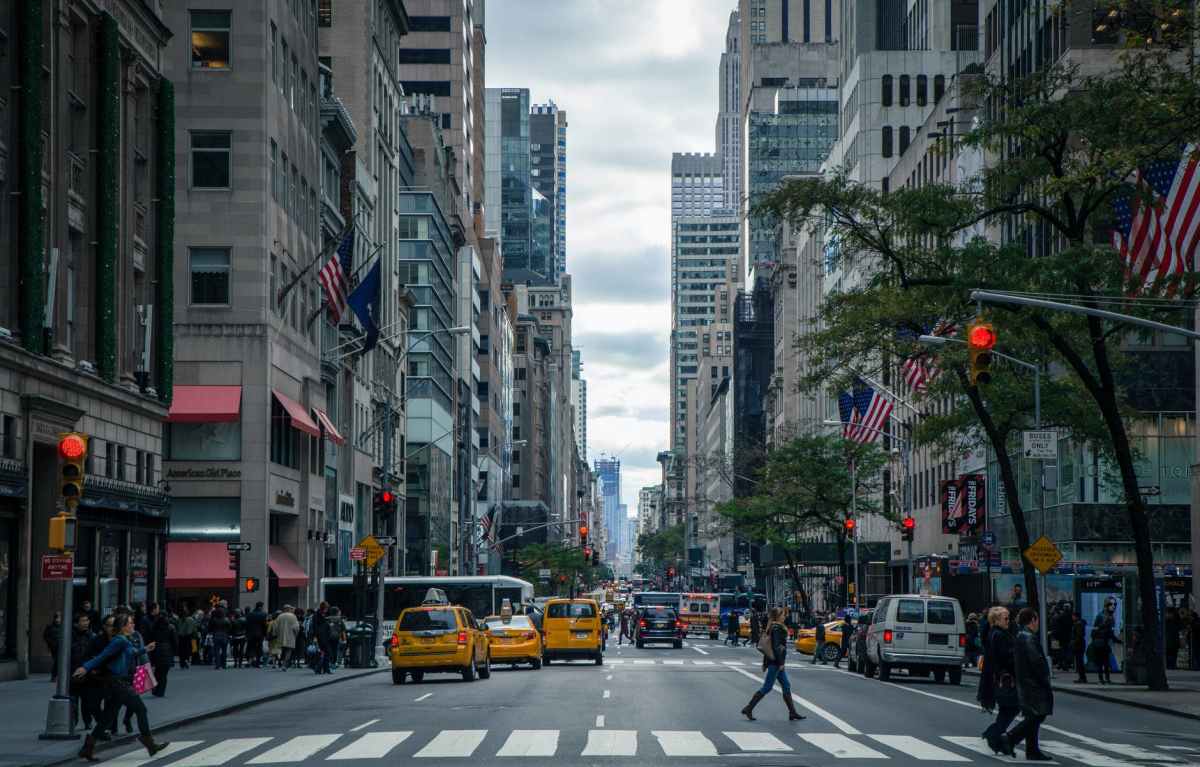
Urban ecology is the scientific study of the relation of living organisms with each other and their surroundings in the context of an urban environment. This refers to the environments dominated by high-density residential and paved surfaces, commercial buildings, and other urban-related factors that create a unique landscape dissimilar to previously studied environments in the field of ecology. To achieve a balance between human culture and the natural environment is the goal of urban ecology.
This is a recent field of study compared to ecology as a whole. The studies of urban ecology and methods are similar to a subset of ecology. Studying urban ecology carries increasing importance because more than 50% of the world’s population today lives in urban areas. It is also estimated that at the same time within the next forty-years that two thirds of the world’s population will be living in expanding urban centers. Ecological processes in the urban environment are comparable to those outside the urban context. The types of urban habitats, however, and the species that inhabit them are poorly documented. Explanations for phenomena examined in the urban setting as well as predicting changes because of urbanization are the center for scientific research.
Urban ecology has many effects on the environment. One example is humans being the driving force behind urban ecology and influencing the environment in a variety of ways making urbanization the key example. Urbanization is tied to social, economic and environmental processes. There are six core aspects: air pollution, ecosystems, land use, biogeochemical cycles, water pollution, solid waste management, and the climate. This was driven by migration into cities and the rapid environmental implication that had been brought along. This includes increased carbon emissions, energy consumption, and impaired ecology; all of which are all primarily negative. Despite the impacts, perception of urbanization at present is shifting from challenges to solutions. Cities are home to an abundant amount of financially well-off, innovative, and knowledgeable initiators who are increasing the involvement of science in urban policy processes and concepts.
The intersection of the multiple processes/integrated systems approach which can easily emerge within a city, includes five characteristics that can emphasize this fundamental shift at a low cost. These solutions are integrated, comprehensive, multifunctional approaches that speak to the social, economic, and cultural contexts of cities. They take into account biophysical, chemical, and ecological aspects that define urban systems, including lifestyle choices that are interlinked with the culture of a city. Despite adapting the opportunities that a city can participate in, the results of the concepts that researchers have developed remains uncertain.
 Global Environmental Change