Categories
Posts

Urban Ecology

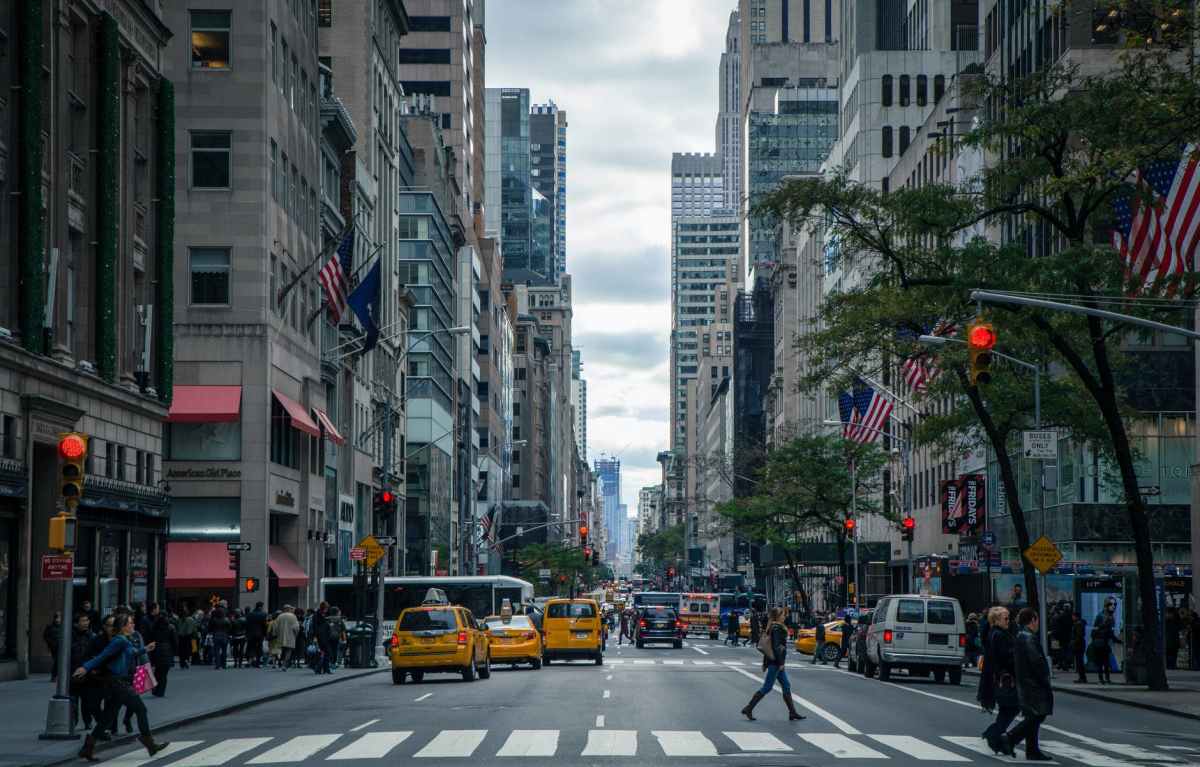
Urban ecology is the scientific study of the relation of living organisms with each other and their surroundings in the context of an urban environment. This refers to the environments dominated by high-density residential and paved surfaces, commercial buildings, and other urban-related factors that create a unique landscape dissimilar to previously studied environments in the field of ecology. To achieve a balance between human culture and the natural environment is the goal of urban ecology. 

Categories
Posts

Limnology

Limnology is the study of inland waters as ecological systems interacting with their drainage basins and the atmosphere. . For example: lakes (both freshwater and saline), reservoirs, rivers, streams, wetlands, and groundwater. Limnological discipline integrates the functional relationships of growth, adaptation, nutrient cycles, and biological productivity with species composition, and describes and evaluates how physical, chemical, and biological environments regulate these relationships. In simple words limnology is the study of the structural and functional interrelationships of organisms of inland waters as their dynamic physical, chemical, and biotic environments affect them. 

Categories
Posts

Advantages of Renewable Energy

Our current sources of energy are not having a very positive effect on our surroundings. Some of these sources include coal, natural gas, oil, and nuclear energy. They are unable to be replaced once used; therefore, this is a significant problem for humanity because currently we are dependent on them providing most of our energy needs. for this reason it is preferable to convert to renewable energy sources.

Categories
Posts

Contamination of Drinking Water

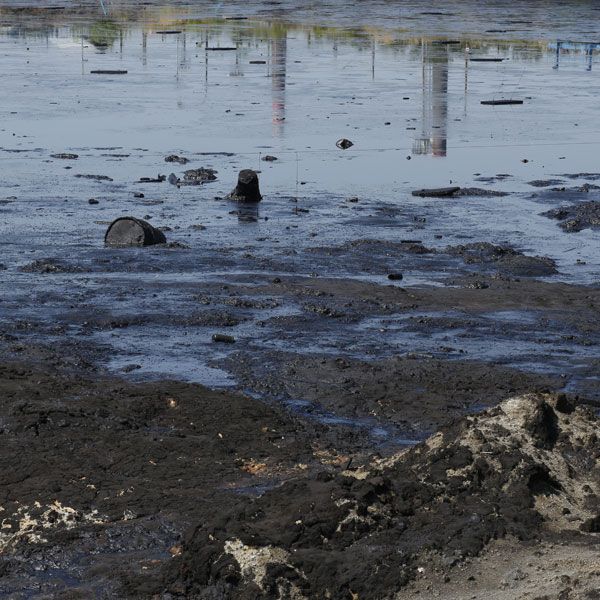
The U.S. Environmental Protection Agency (EPA) regulates drinking water quality in public water systems and sets limits for germs and chemicals in water. Sometimes, however, unsafe levels of harmful germs and chemicals contaminate our public drinking water. The germs and chemicals can get into the water at its source however, for example the ground water, water from lakes, or rivers, or during the traveling of water through the distribution system, after the water treatment plant has already removed germs and chemicals from source water.

Categories
Posts

Carbon Footprint

A carbon footprint is the total amount of greenhouse gases that are generated by our actions, this includes carbon dioxide and methane. Sixteen tons is the average amount of carbon footprint for a person in the United States, one of the highest rates in the world.

Categories
Posts

Air Pollution

Air pollution is one of the greatest environmental threats to the public health globally. There are accounts for an estimated 7 million premature deaths from this every year. Both air pollution and climate change are closely linked as major pollutants have an impact on the climate, along with this, most of them share common sources with greenhouse gases. To improve air quality will bring many benefits.

Categories
Posts

Conservation Ecology

Conservation ecology is the branch of ecology and evolutionary biology that deals with the preservation and management of biodiversity and natural resources. It is a discipline that is emerging rapidly as a result of the accelerating deterioration of natural systems and the worldwide epidemic of species extinctions.

Categories
Posts

Biodiversity

Bioremediation is broadly referring to any process wherein a biological system (typically bacteria, micro-algae, fungi, and plants), living or dead, is employed for removing environmental pollutants from air, water, soil, flue gasses, industrial effluents, etc., in natural or artificial settings. What has attracted the use of biological resources in the treatment of the contaminated environment is the natural ability of organisms to absorb, accumulate, and degrade common and emerging pollutants. 

Categories
Posts

Bioremediation

Bioremediation is broadly referring to any process wherein a biological system (typically bacteria, micro-algae, fungi, and plants), living or dead, is employed for removing environmental pollutants from air, water, soil, flue gasses, industrial effluents etc., in natural or artificial settings. What has attracted the use of biological resources in treatment of contaminated environment is the natural ability of organisms to absorb, accumulate, and degrade common and emerging pollutants.

Categories
Posts

Conservation Biology

Conservation biology is concerned with the application and biological science to the conservation and protection of Earth’s biodiversity. It is quite recent in the scientific activity field only coming out in the past several decades in response to the accelerating biodiversity crisis. It represents an integration of theory, basic and applied research, and broader educational goals.